
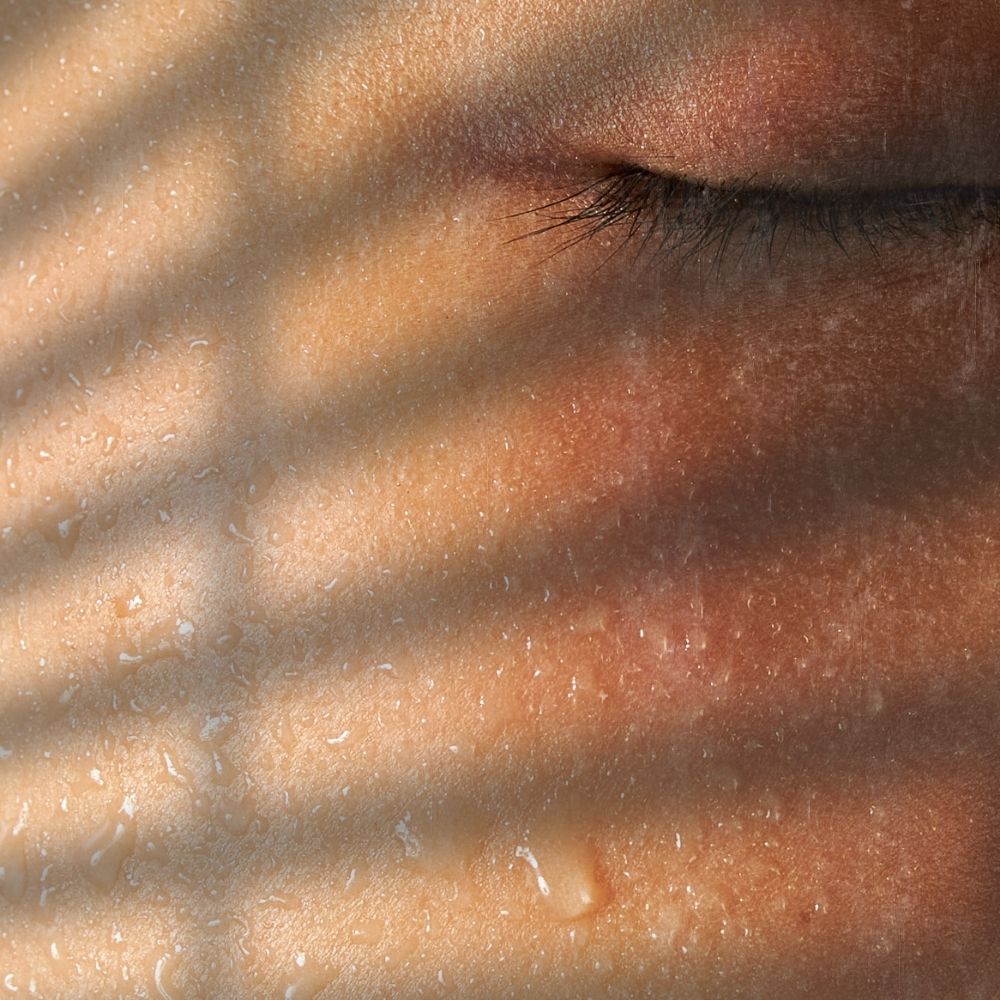
Why the Skin Barrier is Important
When the barrier is supported, skin feels calm, balanced, and resilient. When it is compromised, everything feels harder — dryness lingers. sensitivity increases, and products that once worked can suddenly feel wrong.
This is not about trends. It is about how skin functions, and why a slower, more considered approach matters.
A Healthy Skin Barrier is Not a Trend
It is also worth remembering that the health of the skin barrier is influenced by more than skincare. What we eat, how well we hydrate, how we sleep, and how we manage stress all play a quiet but meaningful role.
Nutrient-rich foods help support the building blocks of healthy skin, while adequate water intake supports overall skin hydration from within. Skincare can support the barrier at the surface, but it works best when the body itself is well cared for.
Nourishing the Skin from Within
Colourful, plant-rich foods in particular provide compounds that support healthy skin cells. Carotenoids such as beta-carotene — found in carrots, squash, leafy greens and sweet potatoes — help support cells renewal and offer antioxidant protection.
Over time, these nutrients contribute to skin that is better equipped to defend itself against everyday stress,
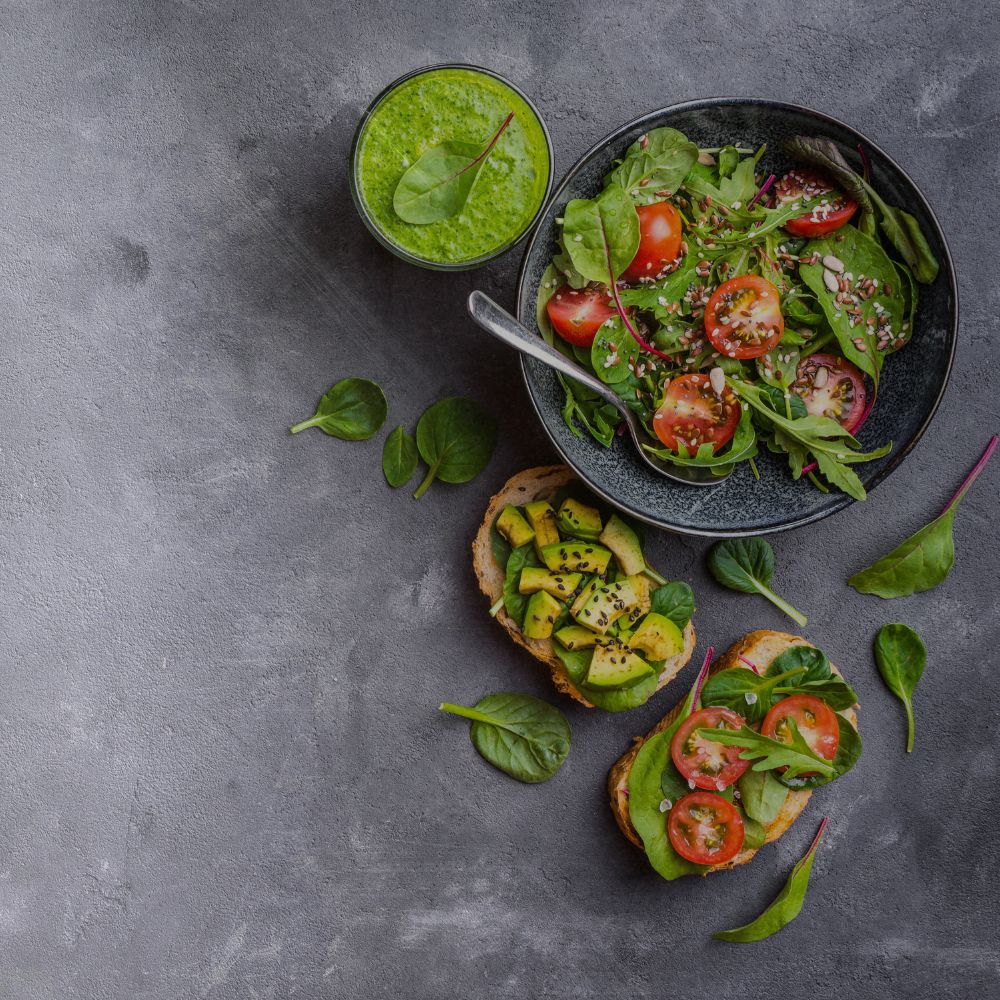
Half an avocado provides around 14% of daily vitamin E and 11% of vitamin C, both of which support collagen production.
“What you put inside your body needs that same care and thought as what you apply on the outside.”* Dr Anjali Mahto
“Antioxidants found in fruit and vegetables will neutralise damage by harmful free radicals in the skin. Vitamins C & E, beta-carotene, lycopene & lutein offer some protection against damage generated by UV rays.”* Dr Anjali Mahto
What is the Skin Barrier
The skin barrier refers to the outermost layer of the skin, known as the stratum corneum. Despite its delicate name, it plays one of the most crucial roles in maintaining skin health.
Think of it like a brick wall. Skin cells form the bricks. Lipids — including ceramides, cholesterol, and fatty acids — act as the mortar that holds everything together.
The stratum corneum is formed as skin cells called keratinocytes move upward through the epidermis. As they rise, these cells gradually flatten, lose their nuclei, and die, becoming tightly packed protective cells on the surface (the cells are now called corneocytes). Arranged like the bricks in our wall, they are held together by the matrix of lipids, which act as the mortar. This carefully organised structure helps keep unwanted irritants and microorganisms out, while preventing vital moisture from escaping.


“On average, the stratum corneum consists of ten to fifteen layers of corneocytes, while the palms and soles, where the stratum corneum is the thickest, it is composed of up to fifty cell layers.” ** Dr Damjan Janeš & Dr Nina Kocevar Glavac
Signs Your Skin Barrier May Be Compromised
A disrupted skin barrier does not always look dramatic. Often, it shows up in subtle ways.
YOU MIGHT NOTICE:
- Skin that feels tight, even after moisturising
- Redness or irritation without an obvious cause
- Increased sensitivity to products you previously tolerated
- Flakiness and dryness
- Oily skin and blemishes
These are not failures of your skin. They are signals that your barrier needs some help.
How the Barrier Becomes Damaged
Modern skincare can be surprisingly demanding on the skin.
Over-cleansing, frequent exfoliation, and the constant introduction of new active ingredients can slowly wear down the lipid structure that holds the barrier together. Even well-intentioned routines can become too much.
Environmental factors also play a role. Cold weather, dry indoor air, and seasonal changes all place additional stress on the skin’s surface.
Daily routines, such as insufficient rest, less-than-nourishing foods, and smoking, can all contribute to a weakened barrier.
Sometimes, the barrier does not break suddenly; it simply becomes thinner, quieter, and less effective over time.


“One of the main functions of the skin is to act as a barrier to the outside world. The skin’s barrier function can easily be disrupted or damaged by noxious chemicals such as pollutants in the environment, cumulative sun damage or even products that are deliberately applied to the skin for the anti-ageing effect, such as retinoids.”* Dr Anjali Mahto
Why Slower skincare Matters
Skin renewal is not instant. The barrier does not repair itself overnight.
IT REQUIRES:
- Consistency
- Patience
- Time
- Space
That is why a slower approach to skincare often delivers the most lasting results.
Rather than chasing quick fixes, supporting the barrier allows the skin to return to balance on its own terms. Over time, sensitivity eases, and texture softens. The skin becomes more resilient.
This is not about perfection. It’s about respect. It’s about health.
Supporting the Skin Barrier, gently
Caring for the skin barrier does not require complexity. In fact, it often asks for restraint.
Supportive routine focuses on three things: cleansing with stripping, replenishing lost lipids, and allowing the skin time to restore itself.
Gentle cleansers help remove impurities without disturbing the skin’s natural oils. Oils and oil-based cleansers can be particularly effective here, as they respect the skin’s own lipid structure.
Replenishing ingredients, such as plant oils, fatty acids, and soothing botanicals, help reinforce what the skin already produces naturally.
Equally important is what you leave out. Fewer steps. Fewer products. Less friction.

A Considered Philosophy
At Ola Ròs, skin health begins with understanding rather than intervention.
The skin barrier is not something to play with. It is something to work with. When skincare is approached thoughtfully, naturally, and organically, the barrier is allowed to do what it does best.
WE NEED TO:
- Protect
- Balance
- Restore
Calm skin is not created through excess. It is built quietly, holistically, over time, with healthy food and healthy skincare.
Read More Ola Ròs Articles




This journal is intended as a source of guidance, not instruction. Skin is individual, and listening to it remains the most important step of all.
This blog article was written by:
Christine McKay
Founder of Ola Ròs Skincare
Organic Skincare Formulator
BIBLIOGRAPHY:
*THE SKINCARE BIBLE, DR ANJALI MAHTO
**MODERN COSMETICS, DR DAMJAN JANEŠ AND DR NINA KOECVAR GLAVAC