
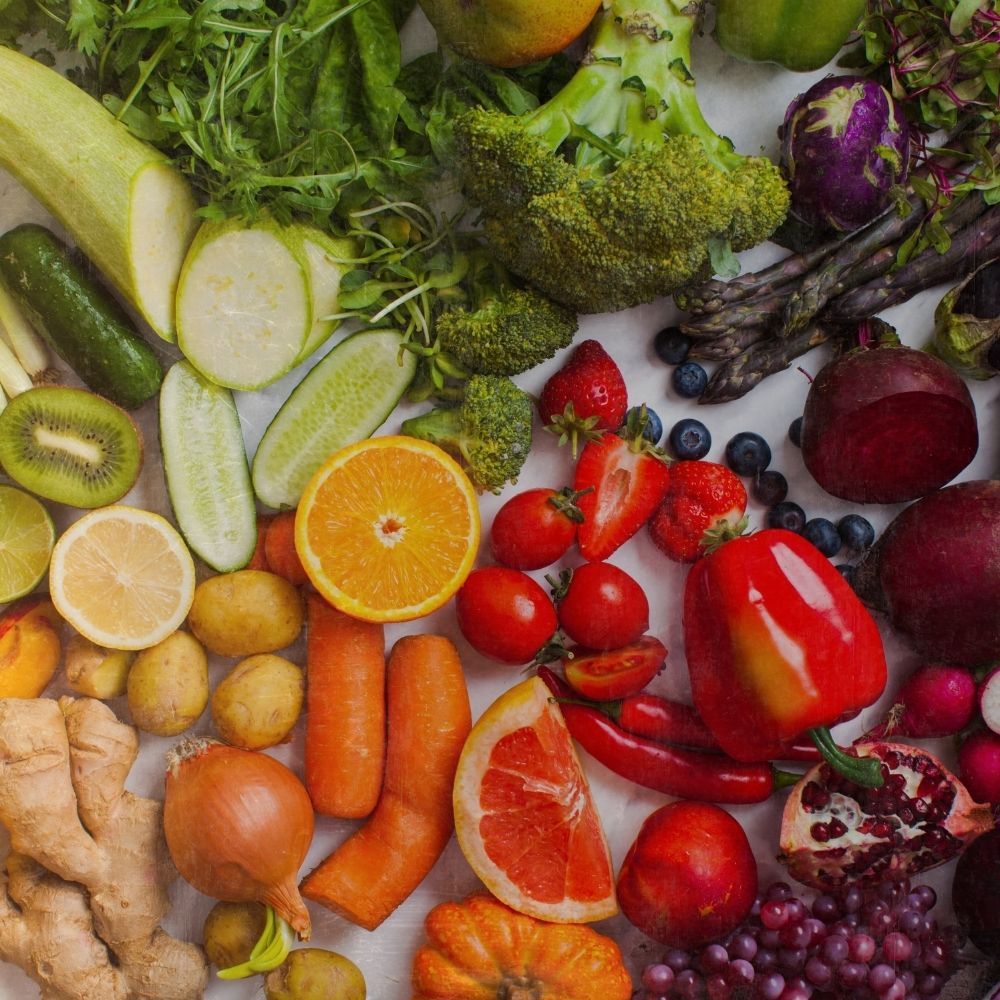
Nutrition and Skin Health: Supporting Skin from Within
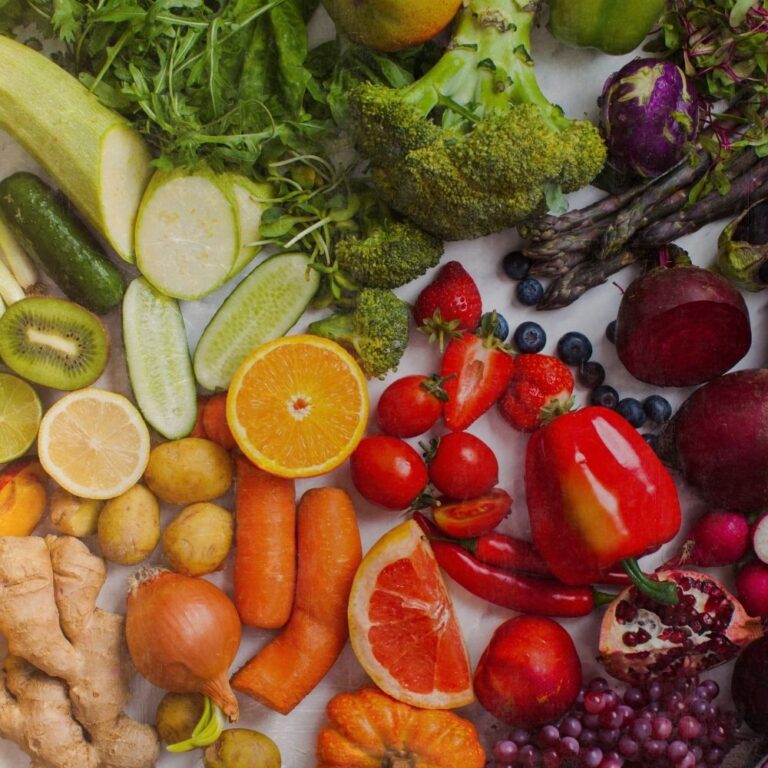
After exploring how hydration supports healthy, radiant skin, the next step is examining how we can nourish our bodies from within. Antioxidants, vitamins, minerals, and other nutrients are essential not just for your skin, but for all the body’s natural processes. Skin cells, or keratinocytes, are produced inside the body, and the quality of these cells depends on the nutrients we provide. Eating a balanced, nutrient-rich diet ensures your body can create healthy new cells, keeping your skin and body functioning at their best.
Digging Deeper: Nutrients that Support Healthy Skin
As we know, nutrients play a vital role in supporting the body as a whole. Vitamins, minerals, antioxidants and healthy fats help fuel cellular processes, support energy production, protect against oxidative stress and allow the body’s systems to function efficiently. When the body is well-nourished, it is better able to repair itself, maintain balance and respond to daily demands.
The skin is the body’s largest organ, and it deserves the same level of care as any other organ. Skin cells, known as keratinocytes, are continually formed in the deepest layer of the epidermis, the stratum basale. As these cells develop and move upward through the skin, the nutrients available to the body influence their quality, structure and function, shaping how the skin looks, feels and performs over time.
“Many nutrients benefit the skin or prevent accelerated ageing through their antioxidant action or by serving as co-factors for metabolic processes,” * Dr Anjali Mahto
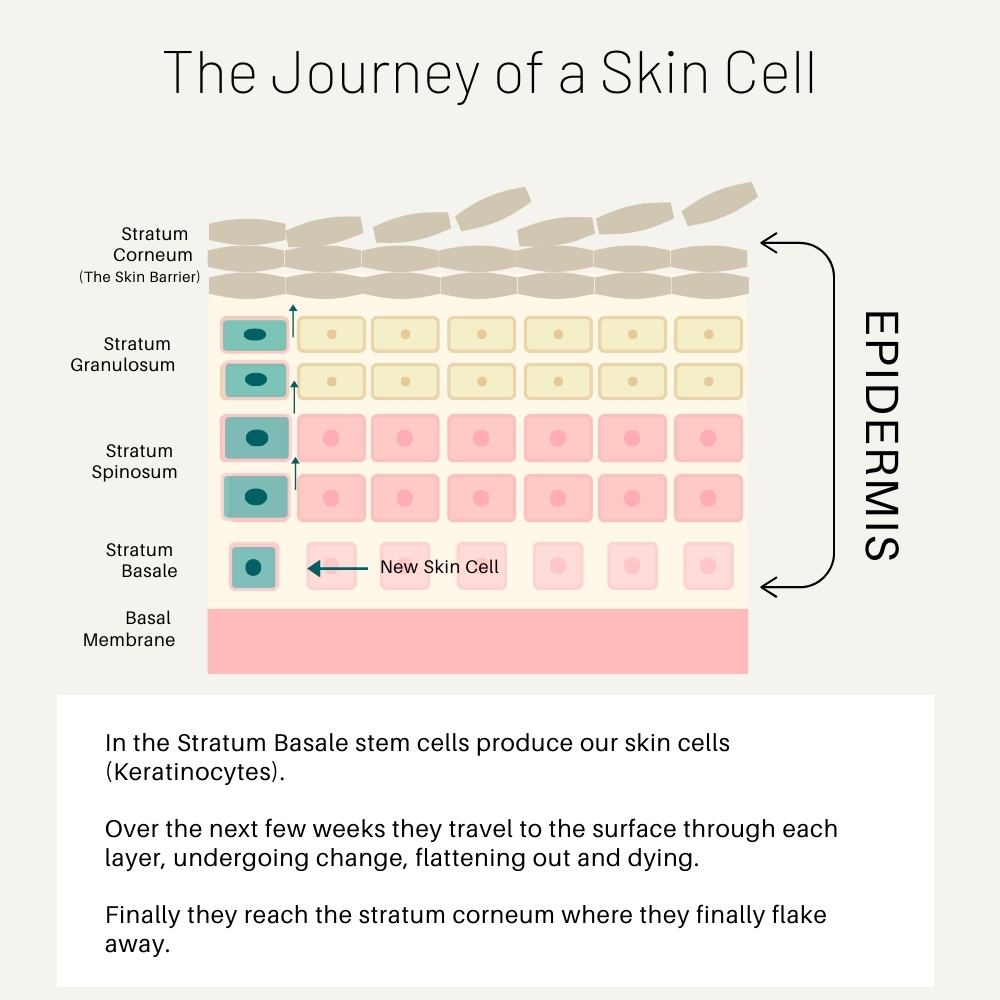
From formation in the stratum basale to renewal at the surface, skin cells are shaped by the nourishment available to the body.
The Building Blocks of Healthy Skin
These key groups quietly support the body as it produces new skin cells each day:
- Omega Fatty Acids
- Vitamins
- Polyphenols
- Minerals
- Carotenoids
The Building Blocks of Healthy Skin: Expanded
Your skin’s health relies on a combination of nutrients that quietly support its daily renewal. Here’s a closer look at the key groups and where to find them:
Vitamins:
- Nutrients: Vitamins C & E.
- Found in: Citrus Fruits, berries, nuts, seeds, avocado, leafy greens.
- Quick Note: Essential for overall cellular health and resilience.
Minerals:
- Nutrients: Zinc
- Found in: Pumpkin seeds, nuts, lentils, chickpeas, broccoli, whole grains.
- Quick Note: Essential for overall cellular health and resilience.
Carotenoids:
- Nutrients: Beta-carotene, Lycopene, Lutein
- Found in: Carrots, tomatoes, kale, spinach, red peppers.
- Quick Note: Contributes to skin tone, colour, and antioxidant protection.
Polphenoyls:
- Nutrients: Catechins, Resveratrol, Flavonoids
- Found in: green tea, cocoa, red grapes, berries, citrus fruits, dark chocolate.
- Quick Note: Helps defend cells from oxidative stress.
Omega Fatty Acids:
- Nutrients: Alpha-Linolenic Acid (Omega-3), Linoleic Acid (Omega-6)
- Found in: Flax, chia, & hemp seeds as well as oily fish (Omega-3). Sunflower, pumpkin, & hemp seeds as well as vegetable oils, eggs, poultry (Omega-6).
- Quick Note: Supports healthy cell membranes, skin comfort, and balanced inflammatory responses.
Omega-3 and Omega-6 fatty acids work best in balance, as too much omega-6, which is common in the Western diet, can affect the body’s inflammatory responses.
“Over-consumption of linoleic acid fans inflammation, leading to chronic inflammatory conditions when left unchecked” ** Susan M. Parker
Many foods contain nutrients from more than one group, working together to support skin cell health, resilience and overall vitality.

Sweet Potato – Carotenoids
Contains beta-carotene, which the body converts to Vitamin A. Also found in carrots and spinach, this nutrient helps maintain skin tone, adds a healthy glow, and supports protection against environmental stress.

Sunflower Seeds – Vitamins & Minerals
Provides vitamin E, selenium, and zinc. These nutrients help protect skin cells, support repair, and contribute to elasticity and resilience.

Green Tea – Polyphenols
Rich in catechins, green tea helps defend skin from environmental stress, supports moisture retention, and maintains elasticity for a comfortable, resilient complexion.
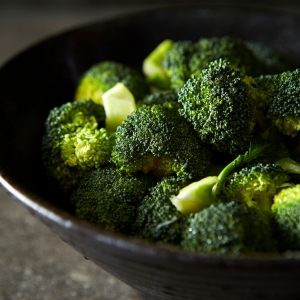
Broccoli – Minerals & Carotenoids
Contains zinc and lutein, which protect against oxidative stress, help prevent dryness and fine lines, and support overall skin health. Broccoli also provides sulforaphane, a natural compound that neutralises free radicals.

Salmon – Omega-3 Fatty Acids
Provides EPA and DHA, essential for healthy cell membranes, soft, supple skin, and balanced inflammatory responses. Plant-based alternatives include chia, flax, or walnuts.
Everyday Eating Habits that Matter
Healthy skin doesn’t come from perfection; it comes from consistency.
Here’s How:
- Choose whole, minimally processed foods where possible
- Include healthy fats daily to support the skin
- Eat a variety of fruits and vegetables for broad nutrient intake
- Eat mindfully; slow, intentional meals support overall well-being
Small daily choices build a strong foundation for long-term skin health.
Holistic Skincare and the Role of Plant Oils
Every plant begins with a seed. Within that seed lies everything needed to support life and growth: a complete energy centre, carrying the properties of the parent plant forward. Seeds, in turn, produce oils rich in these protective and nourishing properties, designed to sustain, strengthen, and help new life thrive.
When we apply plant oils to the skin, we are working with the same natural principles. Thoughtfully chosen oils do more than soften the skin’s surface; they can nourish, strengthen and support the skin over time, helping it to function at its best. Holistic skincare isn’t about quick fixes, it’s about supporting long-term skin health both from within and through what we apply daily.
When nutrition and skincare work together, the skin is better supported from every angle. Choosing the right plant oils for your skin type allows external care to complement internal nourishment, hydration, and healthy living.
Research published in the American Journal of Clinical Dermatology highlights that natural plant oils can support the skin’s barrier function due to their lipid composition, antioxidant activity, and anti-inflammatory properties.***



Read More Ola Ròs Articles



This journal is intended as a source of guidance and information, not instruction. Skin is individual, and listening to it remains the most important step of all.
This blog article was written by:
Christine McKay
Founder of Ola Ròs Skincare
Organic Skincare Formulator
BIBLIOGRAPHY:
*THE SKINCARE BIBLE, DR ANJALI MAHTO
** THE POWER OF THE SEED: YOUR GUIDE TO OILS FOR HEALTH & BEAUTY, SUSAN M. PARKER
FURTHER READING:
*** NATURAL OILS FOR SKIN-BARRIER REPAIR: ANCIENT COMPOUNDS NOW BACKED BY MODERN SCIENCE. VAUGHAN AR, CLARK AK, SIVAMANI RK, SHI VY, AMERICAN JOURNAL OF CLINICAL DERMATOLOGY, 2018