

Spring in Scotland: A Season of Contrasts
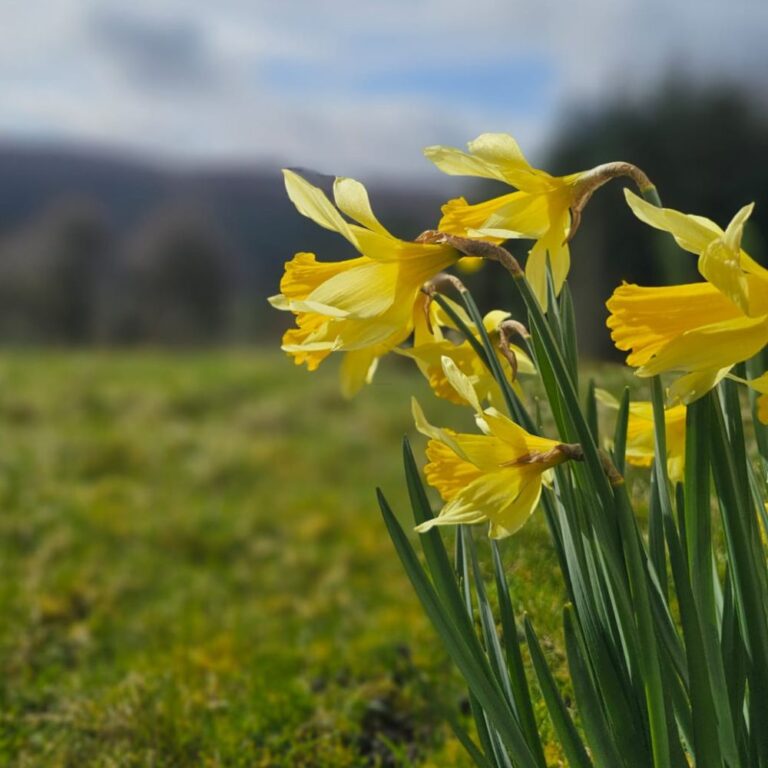
There is a shift that happens in Scotland as winter loosens its grip. One day can bring snow, the next a warmth in the air that feels good in the bones. The landscape moves between the seasons, never quite settling, and this year, anyway, spring has felt slow to arrive.
It is this time of year when we instinctively step outside more. Windows are open. Walks are longer. The air feels lighter, even when it still carries a chill.
And yet, for the skin, this changeable season asks a little more of it.
Cold winds still move through the glens, while the sun sits higher in the sky. We move between indoor warmth and outdoor air without much thought, but the skin notices.
After months of winter, it is often left a little depleted, sensitive, and not quite ready for the light and exposure that spring brings. It’s not that spring harms the skin, but the changes we experience put it under a little extra pressure.
It is this in-between season that brings new challenges for our skin.
What This Changing Season Asks of the Skin.
By the time spring begins to show itself, the skin is rarely at its strongest.
Winter has a way of slowing everything down. Colder air, lower humidity, and time spent indoors can leave the skin feeling tighter, drier, and more sensitive. Even with care, the skin barrier can become compromised.
As the seasons begin to change, the skin needs to adjust.
Light levels increase, even on overcast days, and exposure becomes more consistent. At the same time, the air can be cool, and the wind continues to draw moisture from the skin.
It’s not one single factor that affects the skin at this time of year, but the combination of them.
- A little more light.
- A little more exposure.
- A little less of the protection winter routines naturally provide.
Individually, these changes are subtle. Together, they create a season when the skin works a little harder to maintain its balance.


Supporting the Skin through Change
At this time of year, protection is often thought of as shielding the skin from the elements or adding layers to guard against exposure.
But the skin has a way of protecting itself.
The outermost layer of skin, the skin barrier, helps retain moisture, maintain balance, and respond to environmental changes. When supported, it can adjust easily to shifts in temperature, light, and air.
It is important to support the skin’s natural biological functions.
Simple, consistent care through hydration, nourishment, and a gentle routine helps the skin remain supple and better able to adapt.
The Role of Natural Oils in Seasonal Skincare
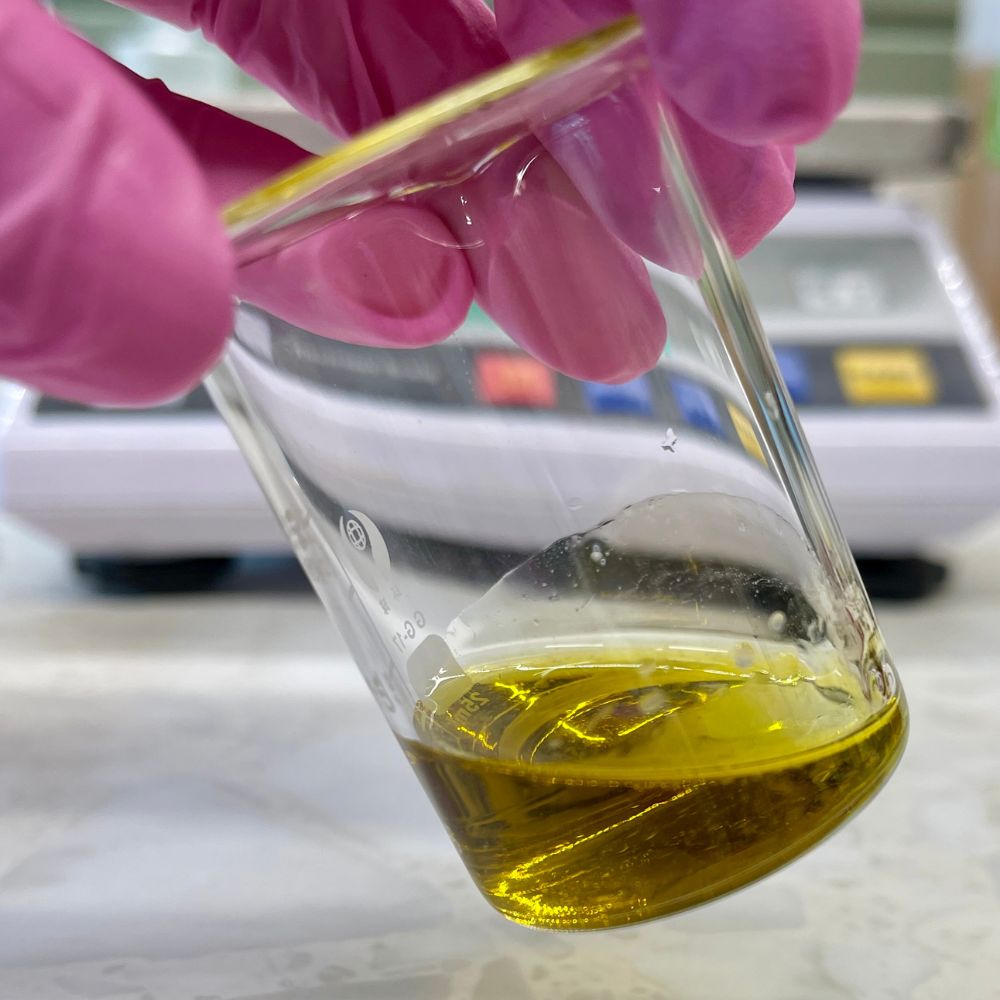
Natural oils have long been used to support the health of the skin. Rich in essential fatty acids, they help to soften the skin, reduce moisture loss, and reinforce the barrier.
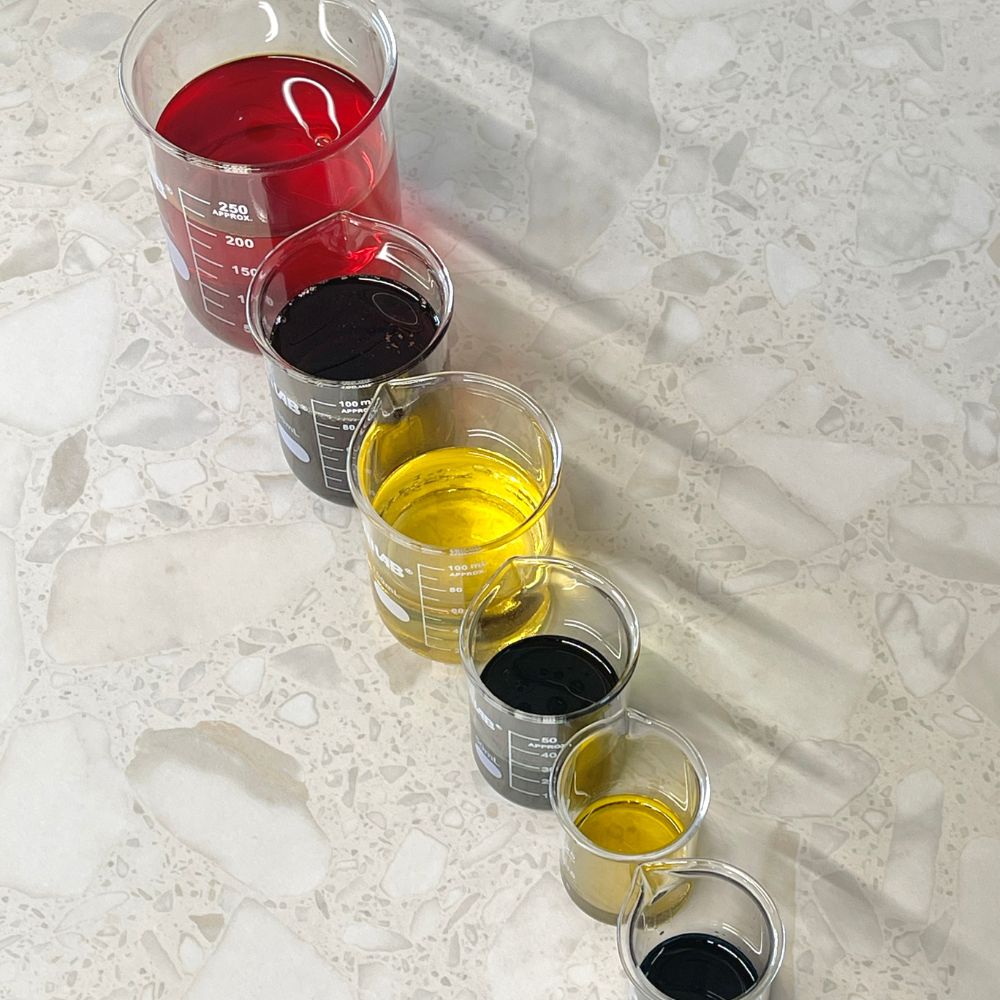
A well-formulated facial oil will seal in hydration while allowing the skin to breathe.
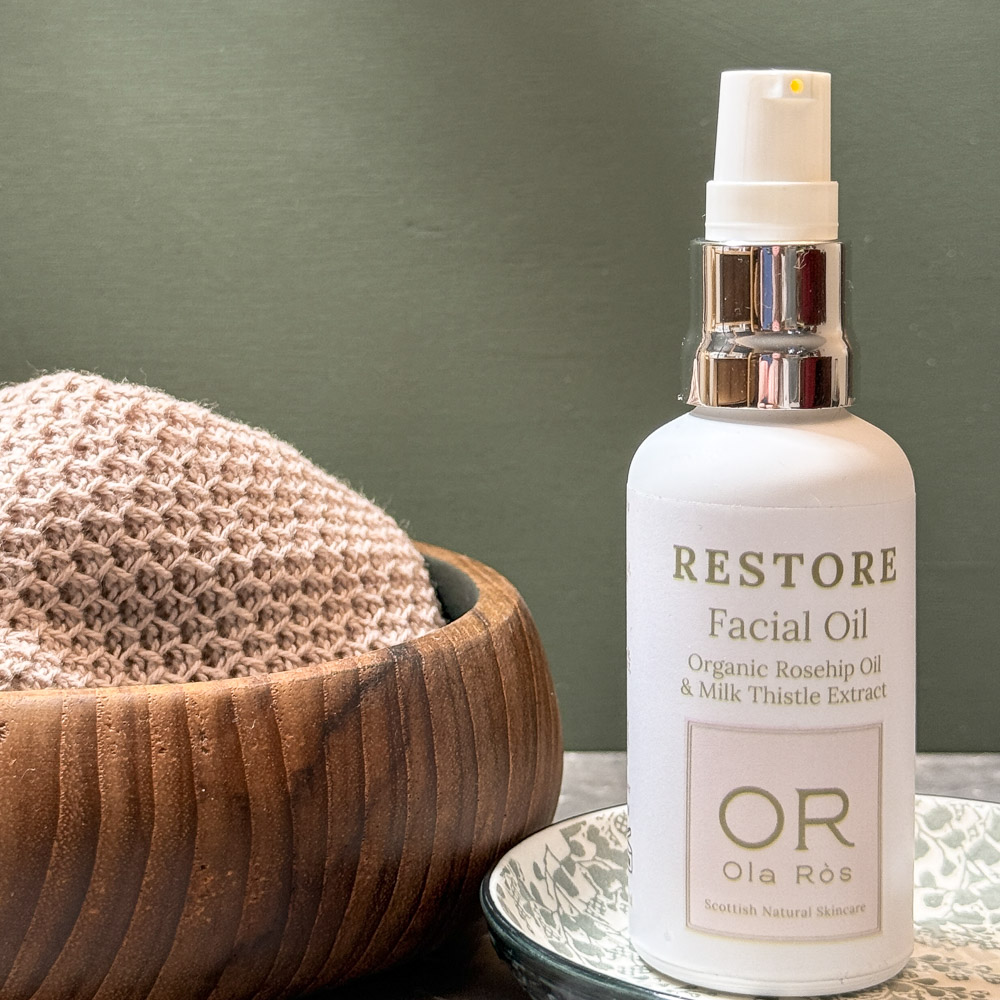
Restore Facial Oil was formulated with protection and repair in mind.
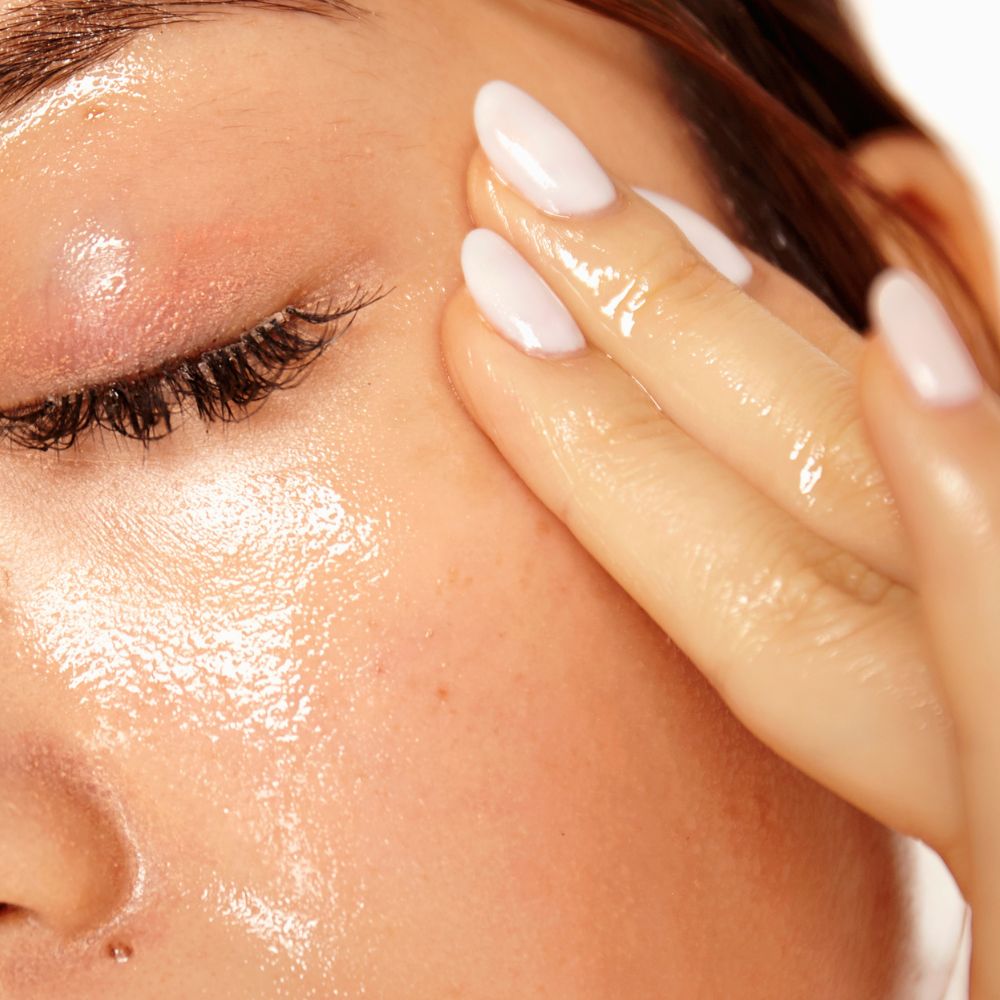
A formula of botanical oils chosen to support the skin’s natural barrier and help it remain balanced all year round.
Spotlight on an ingredient: Rosehip Oil
Rosehip is our hero ingredient here at Ola Ròs. It is a powerful regenerating ingredient with many skin benefits.
Naturally rich in essential fatty acids, it helps maintain the skin barrier, reducing moisture loss and supporting overall balance. It’s a lightweight oil that absorbs into the skin easily, making it well-suited for daily use. Used consistently, it strengthens, renews, and protects.
You will find Rosehip Oil in all our skincare products.
Where SPF Fits In
Supporting the skin is not the only step.
As light levels increase throughout spring, ultraviolet exposure increases, even on cooler days. This is where a simple addition to your routine can offer extra vital support.
SPF does not replace the role of the skin’s need for a good facial oil. In fact, the two work together, helping to reduce the cumulative effect of daily exposure to light.
Applied after facial oil, it forms the outermost layer, offering protection while allowing the skin beneath to remain supported.
For those taking a more natural approach, mineral sunscreens are often preferred. These ingredients, such as zinc oxide, sit on the surface of the skin and reflect light rather than being absorbed.*
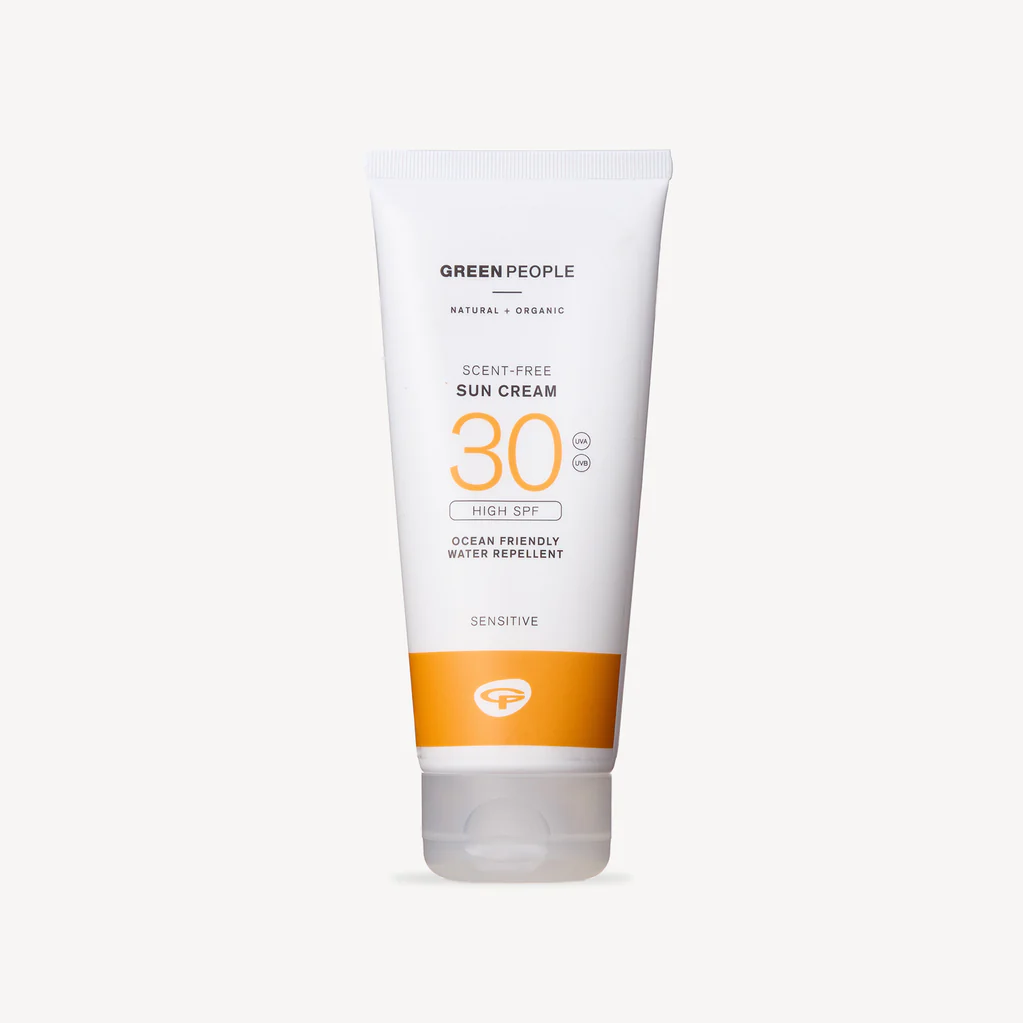
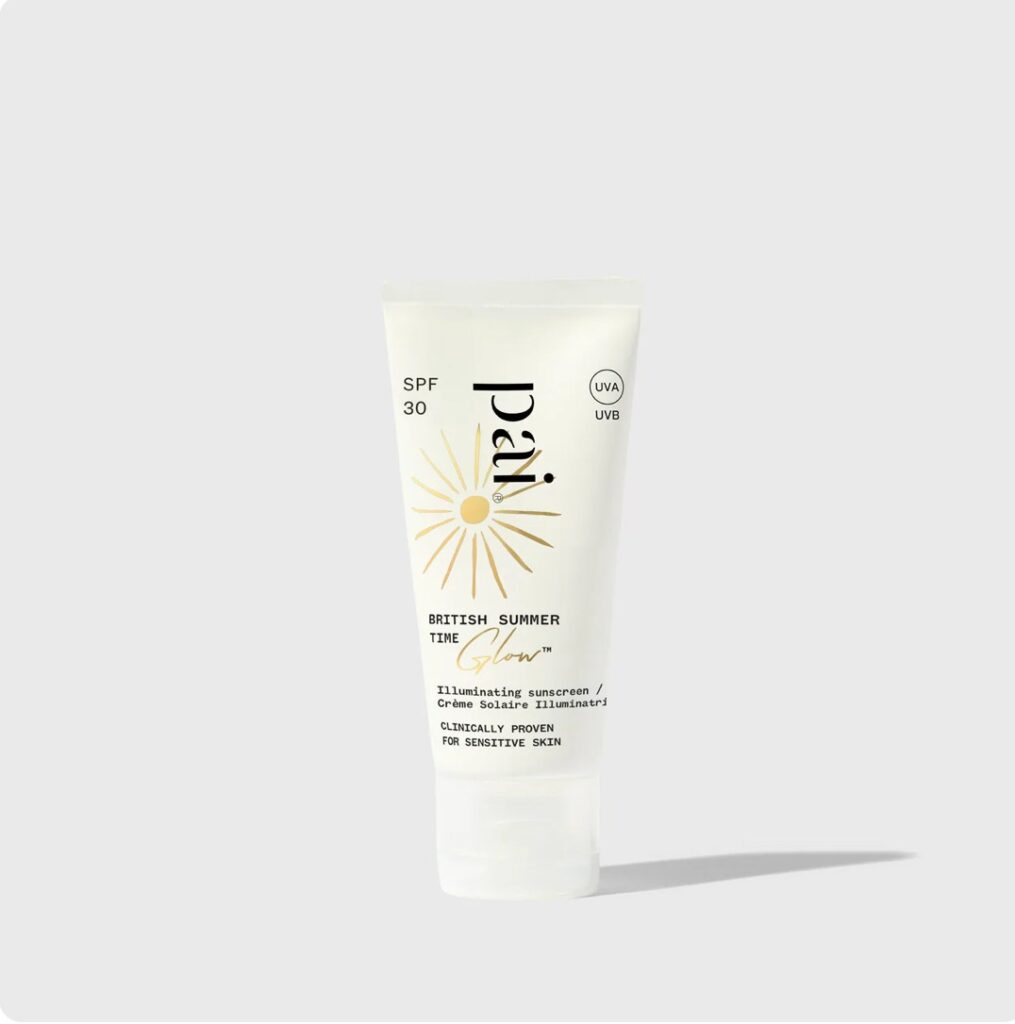
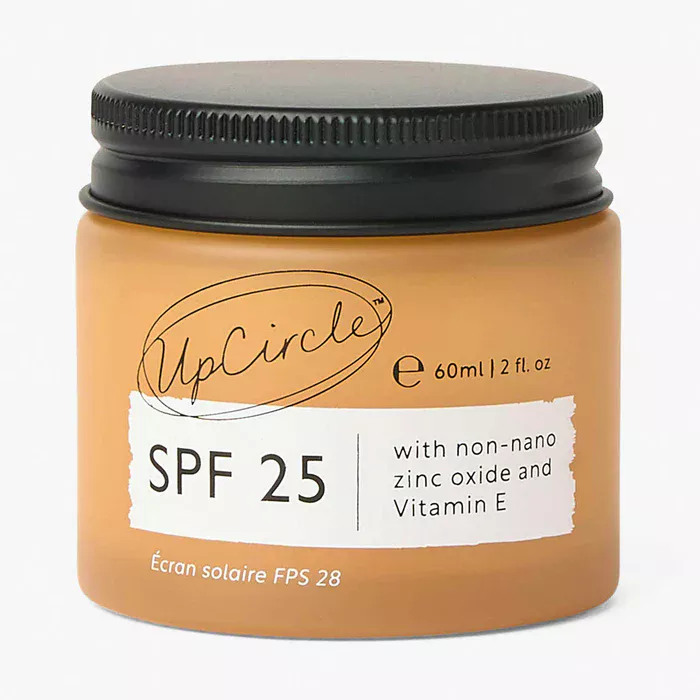
A short guide to Organic SPF's
The brands below are ones that I know and trust, with formulations that take natural and organic ingredients seriously. Each one uses minerals alongside carefully chosen organic components in their formulations. If you are looking for an SPF this spring, why not consider an organic one?
Wind, Temperature and the Invisible Stressors
In a place like Scotland, it is often not the obvious elements that affect the skin, but the constant exposure to them.
Wind can draw moisture from the surface, leaving the skin feeling drier and more exposed. Moving between indoor warmth and the cooler outdoor air can disrupt balance, particularly when the sin is already adjusting after winter. Even subtle increases in light add to this ongoing demand.
Supporting the skin becomes less about adding more, and more about maintain its balance. Keeping the skin well hydrated, using gentle formulations, and applying a light layer of oil can help reduce moisture loss and leave the skin feeling more comfortable throughout the day.
When the skin is supported in this way, it is better able to respond without drying out and becoming compromised.
A Simple Approach to Seasonal Skin
Spring does not ask for a complete change in routine, but a little more awareness. It can be enough just to support what is already there.
Consistent care, gentle formulations, and an understanding of the environment all play their part. Small, daily choices often have the greatest effect over time.
In a season that moves between conditions, keeping things simple helps the skin stay balanced and better able to adapt.
Healthy skin is rarely the result of doing more, but of doing what is needed, consistently and well.
If your skin is feeling the effects of seasonal change, a simple, supportive step can make all the difference. Restore Facial Oil was formulated with this in mind, offering a blend of botanical oils to help maintain balance and comfort as the environment shifts.
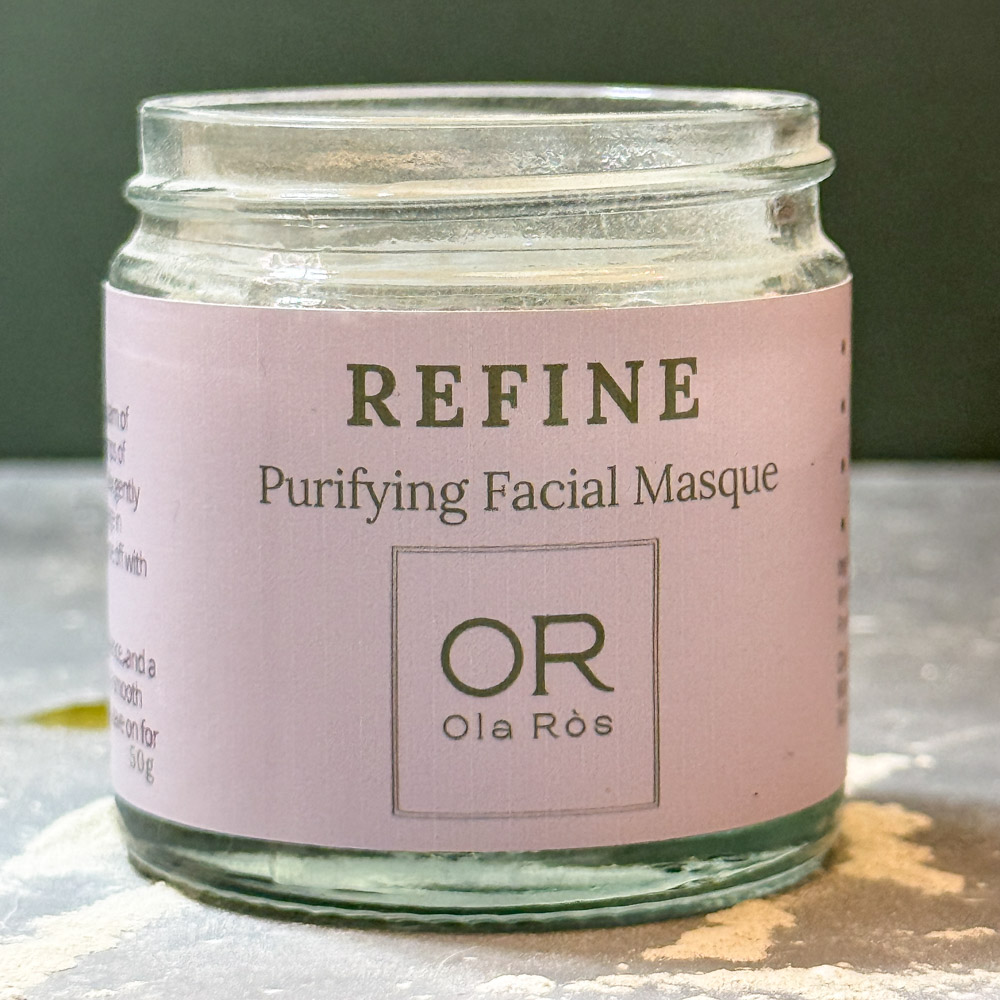


Read More Ola Ròs Articles



This journal is intended as a source of guidance, not instruction. Skin is individual, and listening to it remains the most important step of all.
This blog article was written by:
Christine McKay
Founder of Ola Ròs Skincare
Organic Skincare Formulator
Bibliography:
*What to know about Sunblock vs Sunscreen, Jamie R Herndon, MS, MPH