

Natural Materials Shape the Way We Live
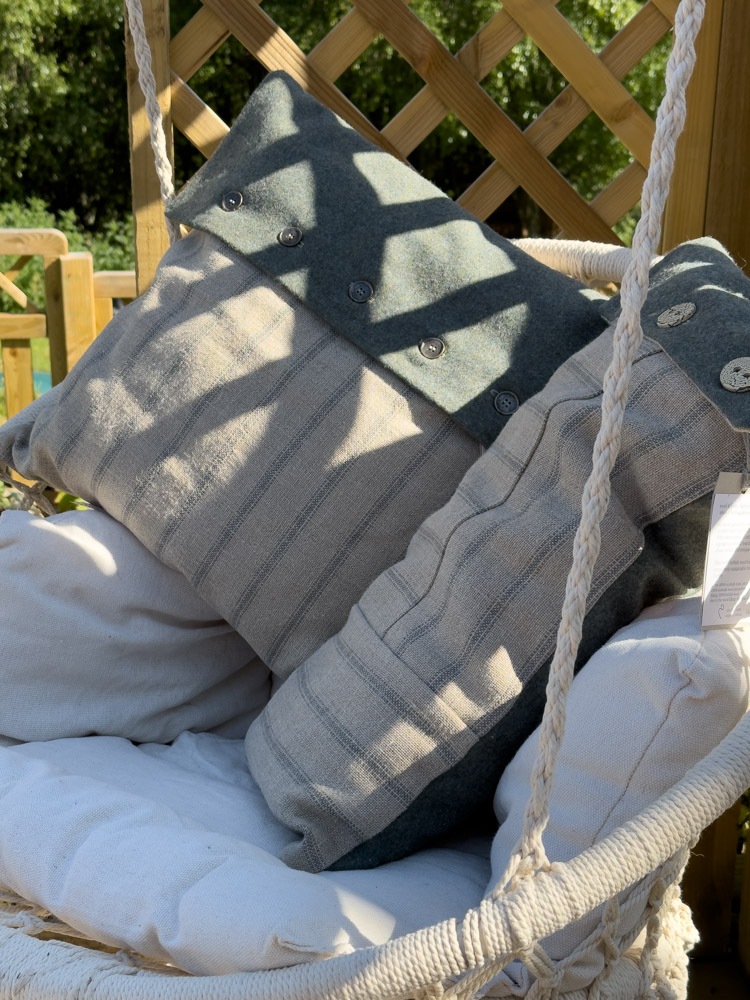
We often overlook the materials around us. Linen on our skin, the texture of wood under our hands, the softness of wool — these natural materials influence how our homes feel. Choosing items made from natural fibres and plant-based materials doesn’t just benefit the environment; it shapes the way we live, making everyday routines feel a little simpler and more considered.
A Look at the Facts
In recent years, the conversation around materials has become more urgent. Globally, millions of tonnes of clothing are discarded each year, much of it made from synthetic fibres that do not biodegrade. Polyester garments can take decades — even centuries — to break down, while natural fibres decompose over less time. Across Europe alone, nearly 7 million tonnes of textile waste were generated in 2022, and large volumes of unwanted clothing are exported overseas, where they are often burned, buried or left to accumulate in vast open landfill sites far from the places they were bought. Recognising the scale of the issue, New European regulations are beginning to shift responsibility back towards durability and circular design. Updated EU textile policies aim to reduce overproduction, prevent the destruction of unsold goods, and introduce separate textile waste collection starting in 2025 — an important step towards valuing materials for longer rather than treating them as disposable.*
It’s against this backdrop that we begin to explore the idea that the materials we choose matter. Linen, wool and wood are not simply aesthetic choices; they influence how our homes feel and how long the things we live with remain useful. Natural materials invite a slower approach — one that values longevity, care, and a closer connection to the everyday objects around us, especially our clothes.
Sometimes, the materials themselves are enough.
Choosing Natural Materials
When it comes to choosing materials, natural fibres offer more than just appearance. Organic cotton, wool, linen, hemp, and even recycled materials provide texture, durability, and a better environmental footprint. Unlike recycled synthetics, which may extend the life of polyester but still release microplastics when washed, these natural fibres decompose properly. They can be cared for, repaired, or reused over time.
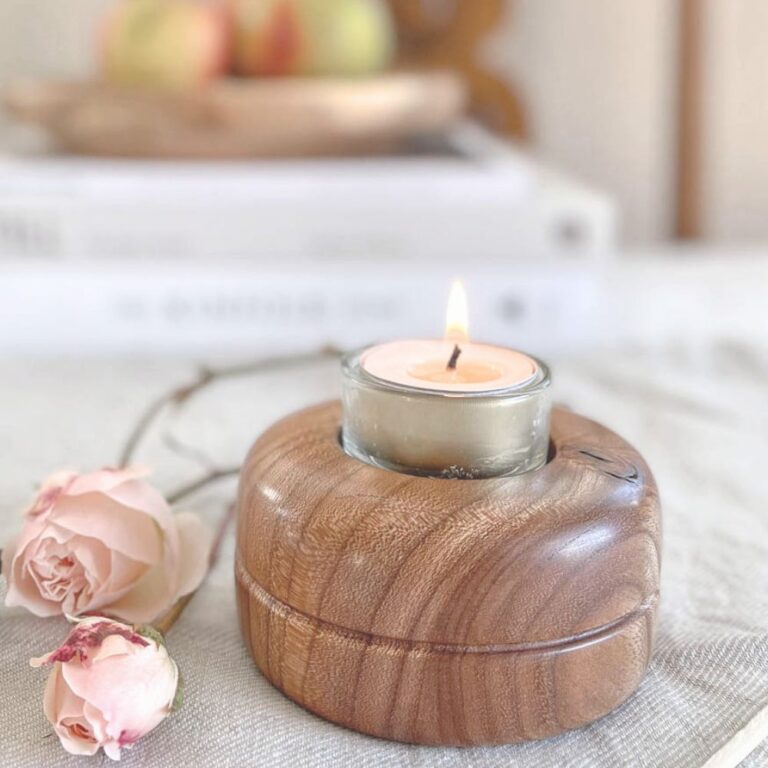
By choosing natural materials, we reduce the burden on future generations and create lifestyles that feel authentic, tactile, and enduring. When it comes to homewares, wood offers the same timeless qualities: durability, warmth, and a connection to nature, while each piece carries the unique story of the tree it came from and the hands that shaped it.
The Sustainable Materials We Choose Here at Made in the Glen
Wool
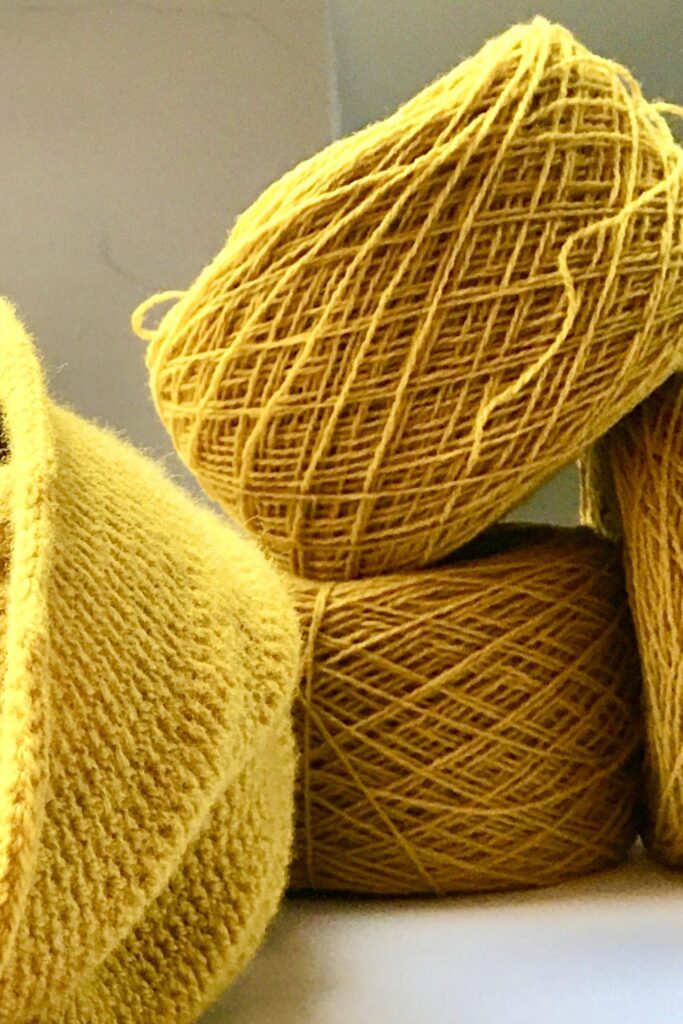
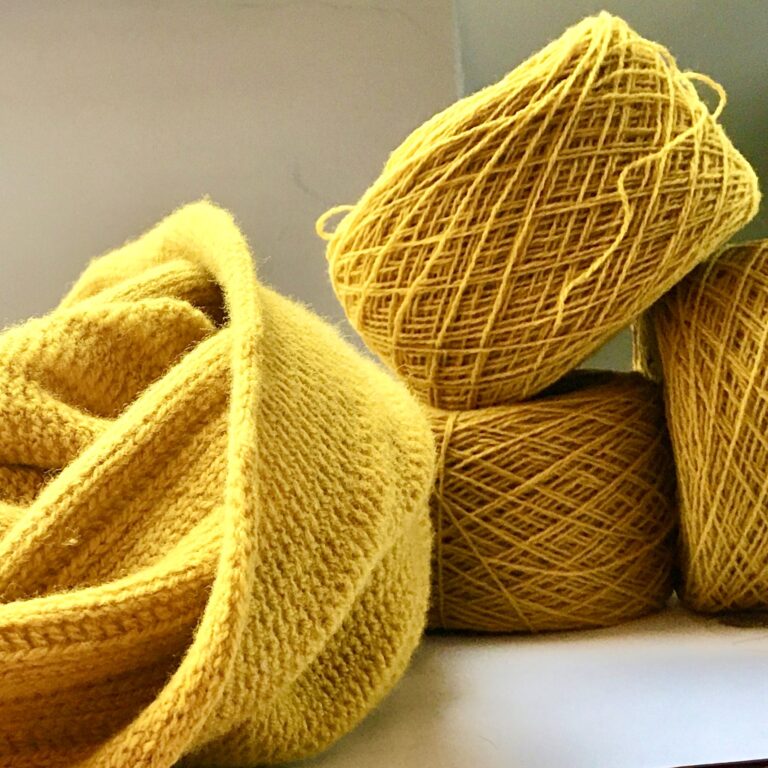
Warm, textured, and naturally resilient, wool has a long history in Scotland and is a completely renewable, compostable resource when dyed and treated thoughtfully. Its soft, comforting qualities make homes feel lived-in, while mindful sourcing ensures the welfare of the animals it comes from is respected.
We source our Scottish Lambswool from Fife-based Todd & Duncan
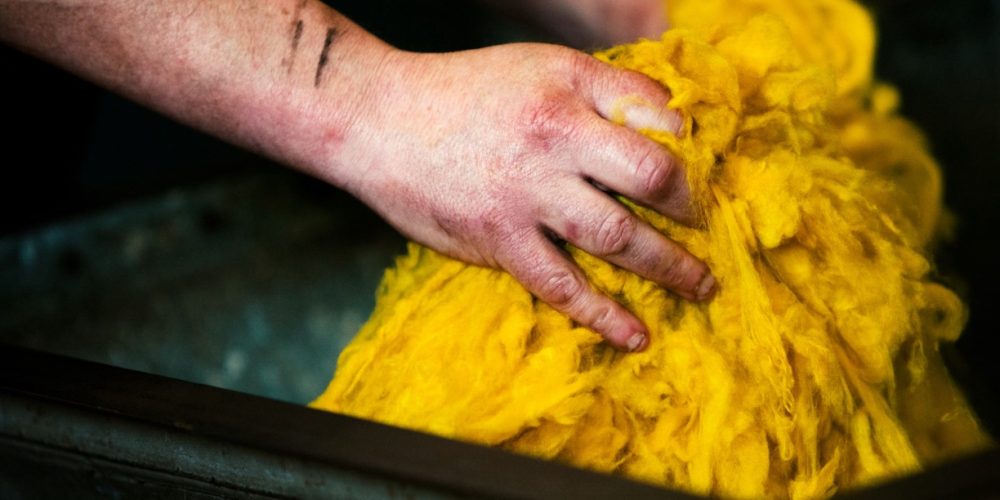
Recycled Cashmere
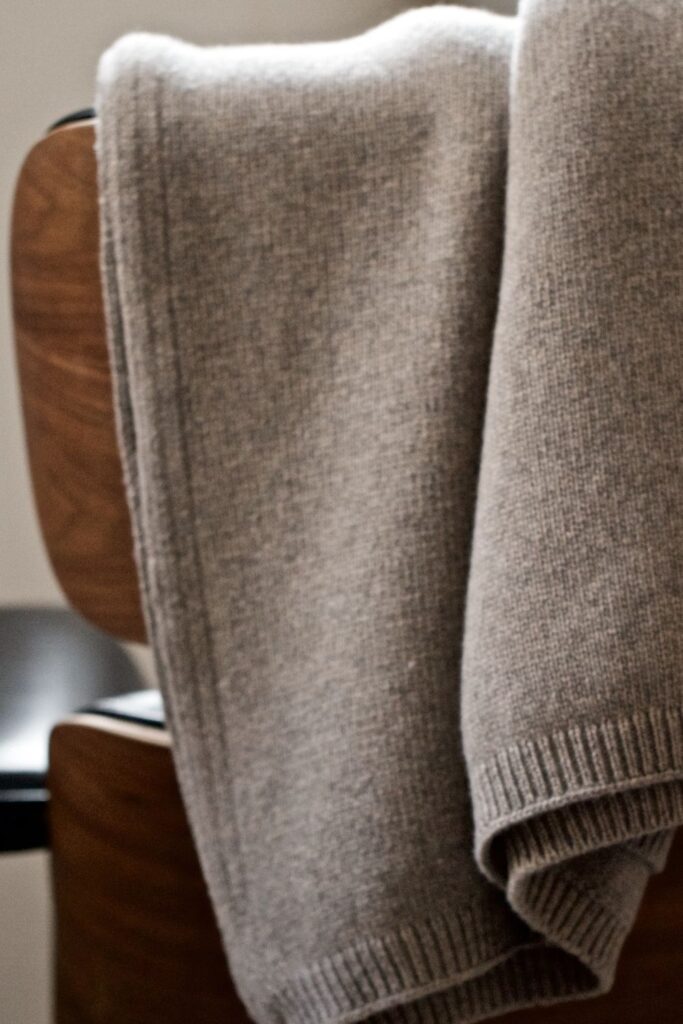
Cashmere is a precious fibre — a single goat typically produces only about 350g of it each year, making it inherently expensive. Recycled cashmere gives new life to unsold or end-of-life garments, keeping fibres in use rather than becoming waste.
Below, you’ll find a look at how recycled cashmere is given a second life.
Recycled Linen
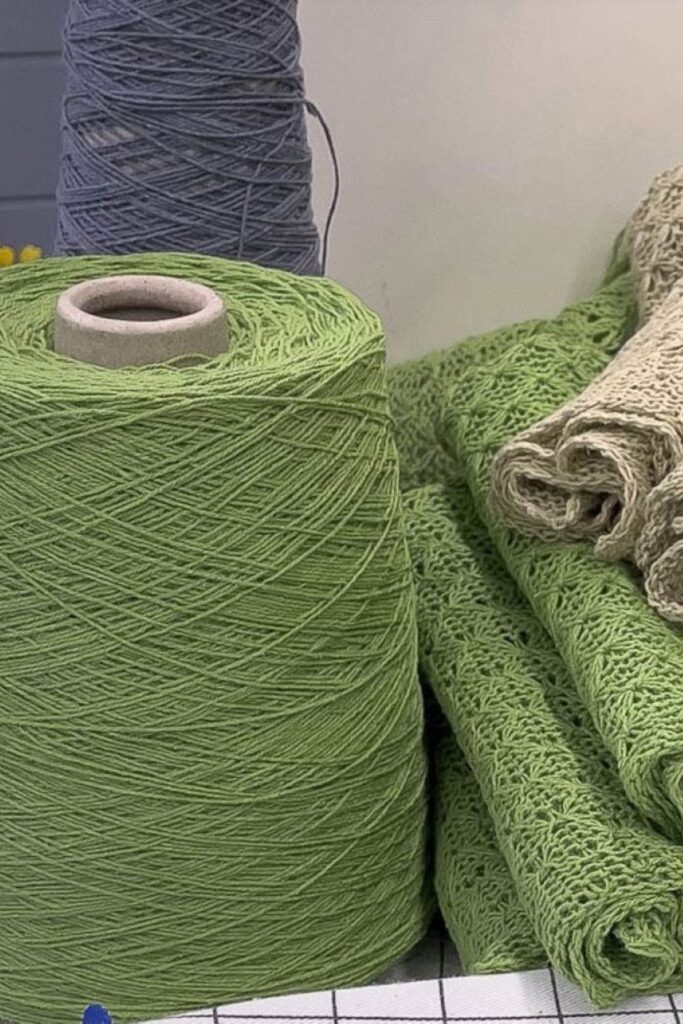
Recycled linen gives new life to pre-existing fibres for a reduced environmental impact and less waste of unsold goods. Made by re-spinning linen waste into new yarn, it extends the use of valuable plant-based materials.
We source our recycled linen and cashmere from Millefili in Italy.
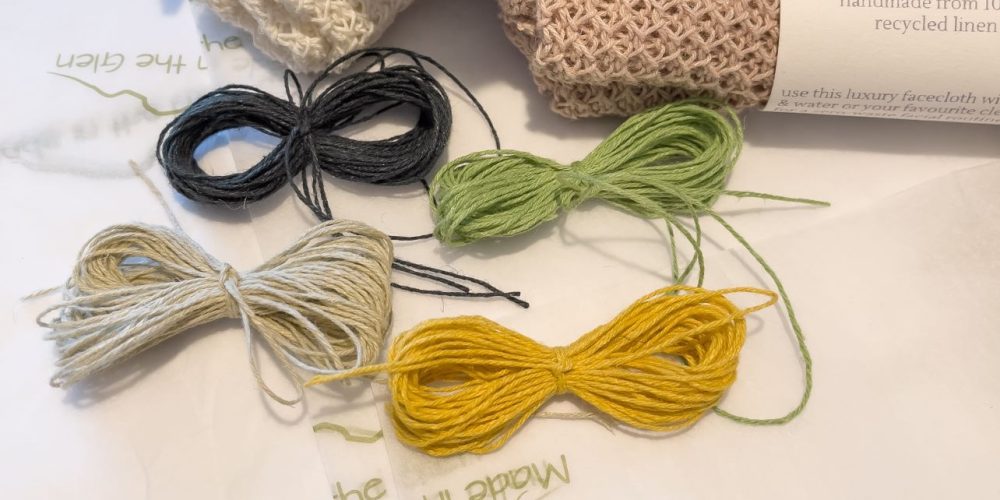
All of our linens were woven in Scotland, but sadly, the Scottish mill closed its doors. We have a very small selection of this beautiful Scottish linen available, so keep an eye out as we plan new creations from it.
We’re also exploring new designs in recycled cashmere for the autumn and winter collections — keep an eye on the website for more news on this later in the year.
Spotlight on Local Makers: Prickly Thistle Tartan - Tartan Rebels in the Scottish Highlands
“Over 60% of all textiles used in clothing are made from oil synthetics. We want to see that become 0% in the future. Wearing oil is not cool, ” Clare Campbell, Prickly Thistle.
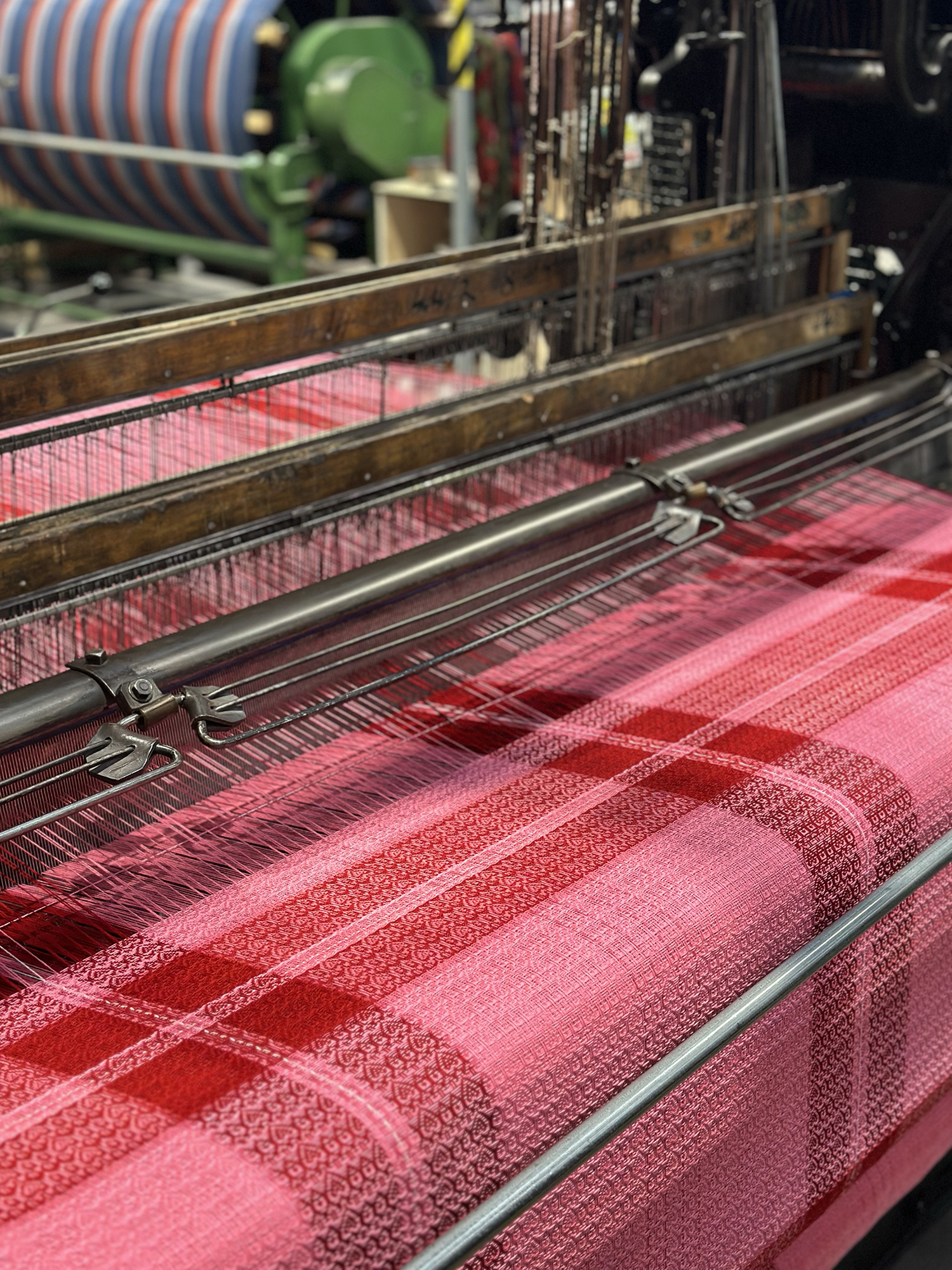
The Highlands: A History in Tartan
In the Highlands, tartan carries stories as old as the hills themselves. For centuries, the region was the ancestral home of tartan, each thread steeped in legend and tradition. Yet, after the Battle of Culloden, tartan was banned, and the craft that once thrived here gradually left the Highlands. Today, Prickly Thistle Tartan is part of a bold movement to write a new chapter for Highland weaving.
Using the finest natural fibres from renowned Scottish mills such as Todd & Duncan and Jamiesons of Shetland, the team of designers, weavers, and finishers are reimagining tartan for a modern era. At the heart of this movement is Clare Campbell, accountant-turned tartan rebel, whose vision is nothing short of revolutionary: to restore the Highlands as a leading region for tartan once again. Every year, Scottish sheep’s fleeces leave the country for processing elsewhere — usually for carpet. Clare is determined to make local wool a resource for her team’s excellent craftsmanship.
Prickly Thistle Tartan is the first bold expression of this vision. Every thread celebrates a story, turning Scottish wool into patterns that are both timeless and entirely new. It’s more than fabric — it’s a statement: that the Highlands can lead the way in tartan once again and that the story of Scottish wool can finally be told at home.
What we love most about Clare’s work is her unwavering commitment to authenticity and sustainability. She uses only natural fibres, honouring the quality and story of Scottish wool, and every aspect of her process reflects careful thought — from the way she sources materials to the way her designs are crafted. Even in the garments themselves, there is no waste: every design is planned so that no off-cuts are left behind. It’s a rare combination of creativity, heritage, and conscience — proof that thoughtful design can be beautiful, purposeful, and truly sustainable.
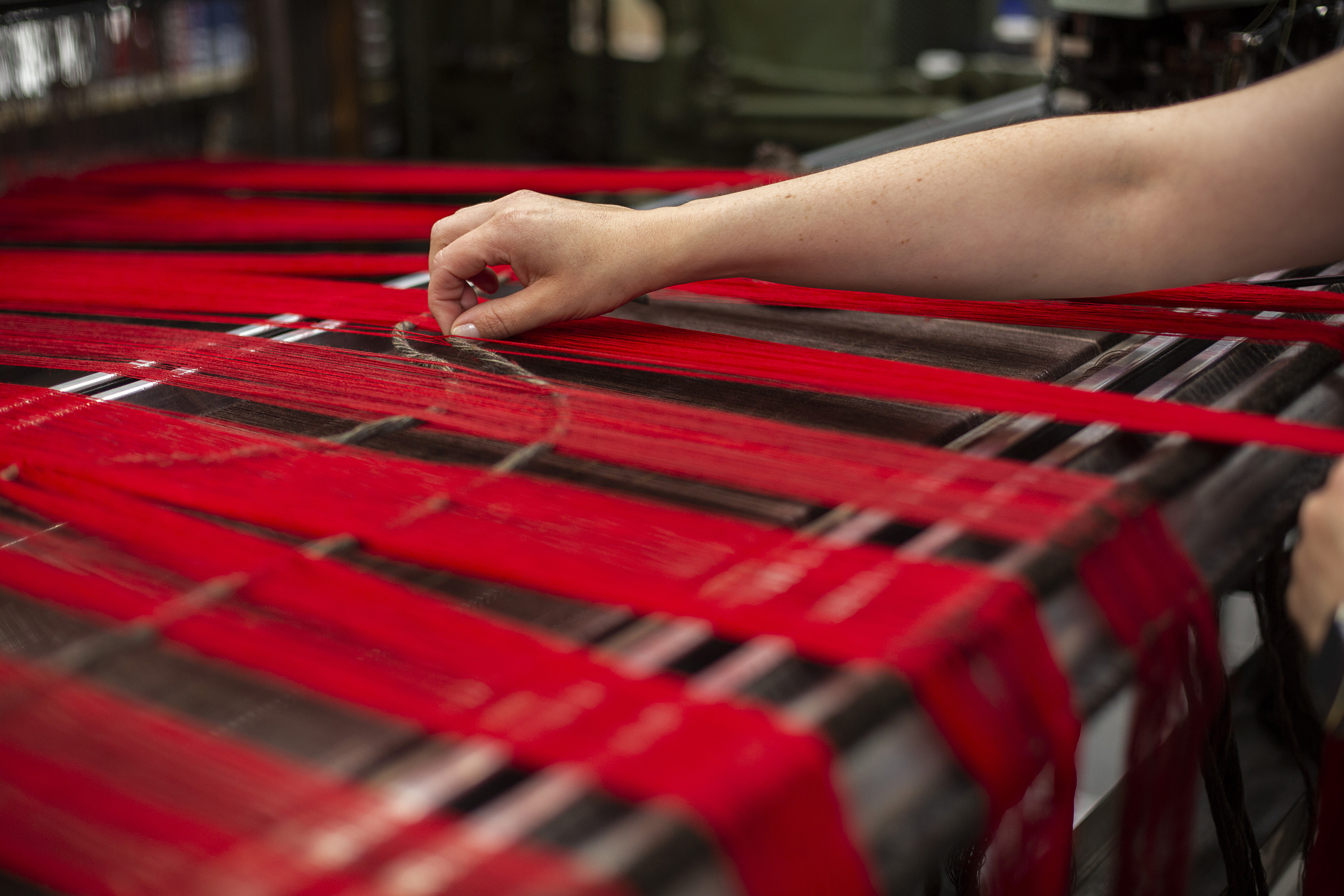
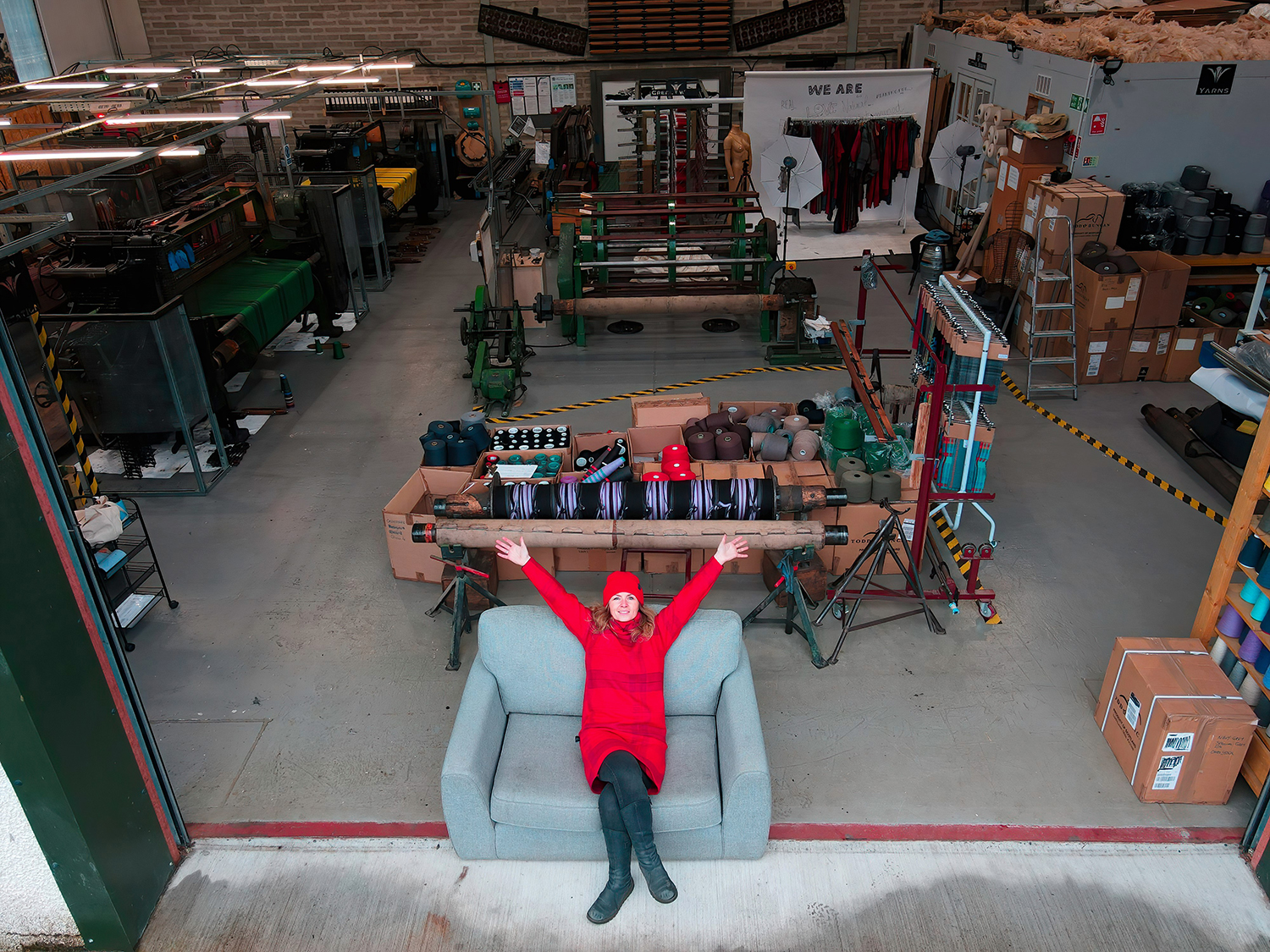
Prickly Thistle Builds a Mill
Today, Clare and her team work from a temporary pop-up mill in the Highlands — a stepping stone towards their permanent home, the planned Black House Mill on the Black Isle. Alongside this, she has opened a flagship store in Inverness, while continuing to campaign nationally through a public petition to secure official recognition for tartan woven in the Highlands.
These values feel deeply familiar. We are continually drawn to makers and materials that honour provenance, craftsmanship, and the natural world. Whether working with wool, linen or reclaimed wood, our focus remains the same: to choose materials with care, to support thoughtful production, and to create pieces that carry both meaning and longevity. It is this approach that shapes our collections and every item we make at Made in the Glen. These choices often come at the expense of profit; we cannot compete with mass-produced goods made far from the Highlands yet sold as symbols of it. Instead, we focus on creating pieces that are honest to their materials and true to their place, objects made slowly, thoughtfully, and with genuine connection to the Highlands we call home.
Our Ethos:
When we choose materials for our products — whether yarn, fabric, or wood — we always look for qualities that reflect our commitment to sustainability, authenticity, and provenance. Here’s what guides us:
Natural first: Fibres and materials should be inherently natural, biodegradable, and long-lasting.
Local where possible: Supporting local suppliers and reducing travel, though depending on the product, sourcing further afield is necessary.
Eco-conscious: Thoughtful dyes, finishes, and processes that minimise environmental impact.
Cruelty-free: wool must be museling-free, and all materials are ethically sourced.
Durable & repairable: We prioritise materials that can be cared for, repaired, or repurposed over time.
Continuous discovery: We are always on the lookout for new sustainable options and innovative natural materials.
Explore our collection of gifts and homewares, made from ethically sourced natural materials.
Buy Less, Choose Better
Every visitor to Scotland has the opportunity to make a small but meaningful choice. It might be a simple piece made by a local maker using natural materials or something saved for and chosen more slowly — an object intended to last rather than to fill a moment. Sometimes less is truly more. Pausing before we buy allows us to ask quiet questions: Do I need this? Will it last? Will it still have a place in my home in ten or twenty years’ time? When we choose thoughtfully, the things we bring home carry deeper value, becoming lasting reminders of place, people and stories.

More Articles on Sustainable Living
This blog article was written by:
Christine McKay
BIBLIOGRAPHY:
*Circularity of the EU textiles value chain in numbers, European Environment Agency.